
For my science lesson project, I read this document about how climate change is affecting plants in two areas of Iraq, Ninevah and Wasit. It was pretty interesting to learn how important vegetation is for the environment and animals that live there because flora provide oxygen, food, and are home to many animals.
The study looked at how temperature and rainfall affected herb growth patterns in Ninevah and Wasit over 22 years. They used this index called NDVI to measure plant coverage – the higher the number, the more flora there were. Not surprisingly, they found years with more rain had thicker vegetation, while dry years had fewer plants. Ninevah had denser plant life than Wasit since it gets more rain.
Disclaimer: Our article is a summary of the scientific document “Climate changes impact on the distribution of vegetation in Wasit and Nineveh regions of Iraq”. You can check the original version – BAKR, D. I., JASIM Al-KHALIDI, & HAMID, B. T. (2024). Climate changes impact on the distribution of vegetation in Wasit and Nineveh regions of Iraq. Journal of Agrometeorology, 26(1), 87–91.
Key Takeaway
- Vegetation in Ninevah and Wasit regions is affected by climate variations, such as rainfall and temperature.
- Human activities like farming, urbanization, and animal grazing impact the amount of plant cover in these areas.
- Changes in vegetation can have both positive and negative effects on the environment, including biodiversity, soil stability, and desertification.
Vegetation and Climate Change:
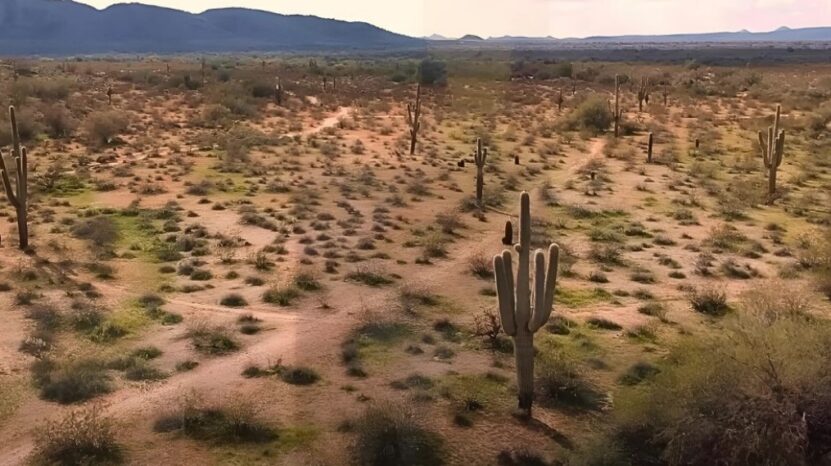
- The study looks at how flora grow in different areas depending on the weather, which includes temperature and rainfall. With the climate changing, the types of plants in these areas are also changing.
- Scientists use something called the NDVI (Normalized Difference Vegetation Index) to measure how much plant cover there is in an area. A high NDVI means lots of dense vegetation; a low NDVI means not much vegetation at all.
Findings from the Study:
- From 2000 to 2022, researchers noticed big changes in vegetation in both Ninevah and Wasit. These changes were connected to how much rain fell and how warm or cold it was.
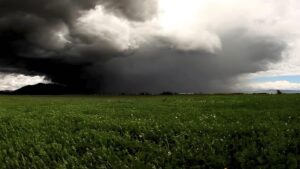
- In years with more rain, there was more flora. In drier years, there were fewer plants. This is important because it shows that water availability from rain is crucial for herb growth in these regions.
- The study found that in Ninevah, the vegetation is denser and covers more area compared to Wasit, mainly because Ninevah gets more rainfall.
Impact of Human Activities:
- Human activities, like farming, building homes, and grazing animals, also affect how much plant cover there is. For instance, using land for farming or building reduces the area available for natural vegetation.
- Migration from the countryside to cities also influences the amount of vegetation because it changes how land is used.
Of course, what people do also impacts vegetation, like turning land into farms or building cities. When folks move from rural to urban areas, it changes how the land is used too.
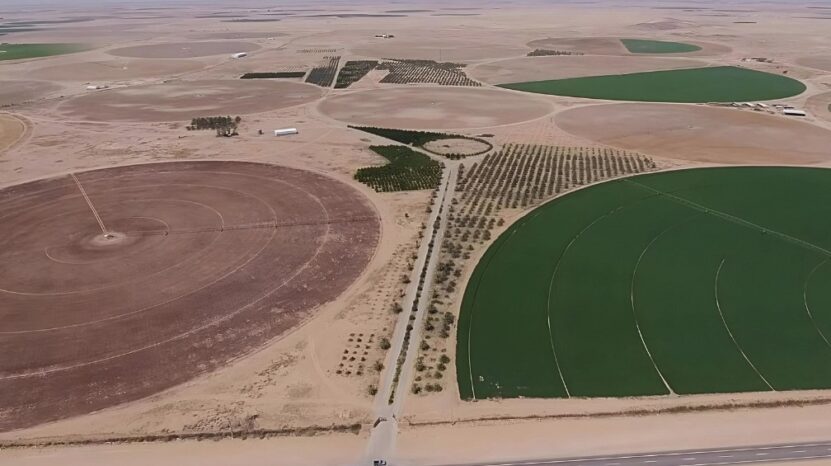
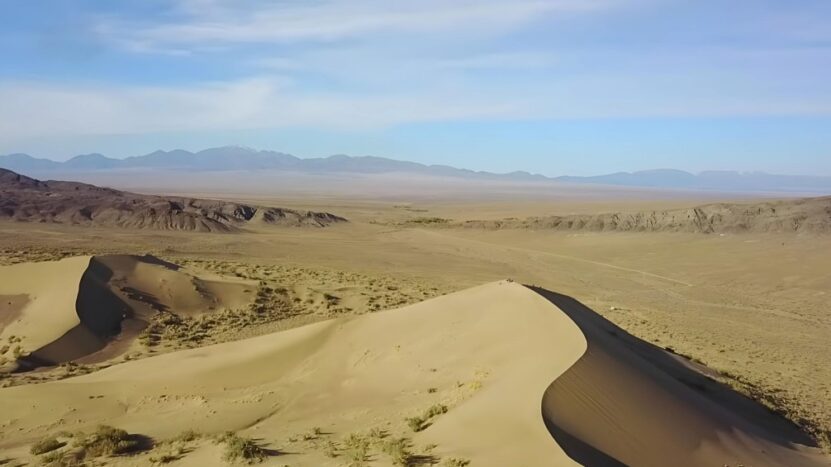
The document pointed out how changes in vegetation from climate things like more rain or heat can help or hurt the environment. More herbs can reduce some climate change effects by keeping biodiversity and soil stable. However, less vegetation can worsen issues like desertification.
They also talked about how NASA provided cool technology and data that helped with the research. Even though it wasn’t funded, the findings are important for conservation and planning in those areas.
In conclusion, the study showed vegetation in Ninevah and Wasit responds dynamically to climate variations. As the climate continues changing, those regions may face challenges from losing flora, affecting nature, farms, and communities that depend on natural resources. Overall it was a really informative paper!
References
BAKR, D. I., JASIM Al-KHALIDI, & HAMID, B. T. (2024). Climate changes impact on the distribution of vegetation in Wasit and Nineveh regions of Iraq. Journal of Agrometeorology, 26(1), 87–91. https://doi.org/10.54386/jam.v26i1.2417