

Canola is one of Western Canada’s most valuable and disease-prone crops. Fungal threats at key growth stages can quietly erode yield potential before the damage is visible.
Knowing which product to reach for and when is where a solid strategy for crop protection in Canada makes the difference between a strong harvest and a costly miss.
Three products growers should have in their toolkit: Joust, Quash SC and Gauntlet. Each brings something different to the table.
The Primary Threat – Sclerotinia Stem Rot
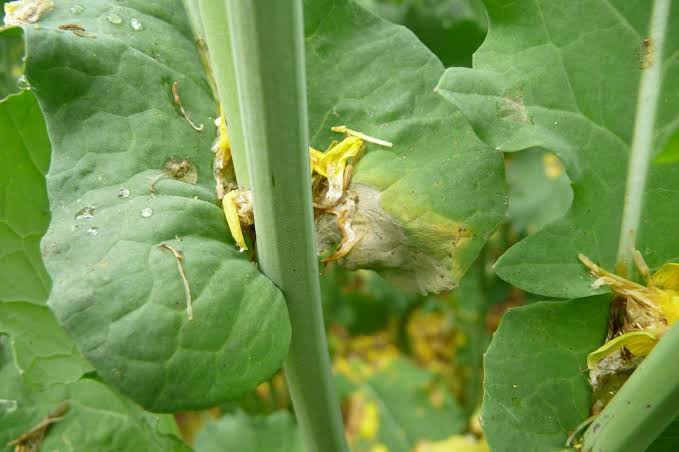
Sclerotinia stem rot is the dominant fungal concern in canola across the Prairies. Caused by Sclerotinia sclerotiorum, it thrives in cool, moist conditions during flowering, which is also when canola is most vulnerable. Infected plants develop bleached lesions on the stem, and yield losses can be significant when conditions favour the disease and fungicide timing is missed.
Scouting for sclerotinia risk is notoriously difficult. By the time symptoms appear, the window of infection has already passed. That makes preventative application during bloom the standard approach, and timing is everything.
Prothioconazole – An Effective Fungicide
Prothioconazole is a Group 3 fungicide that is effective at managing sclerotinia and is commonly found in western Canadian canola fungicides. It is effective at managing sclerotinia in canola. Many of these fungicides also have rate flexibility on the label to tailor the application to the level of disease risk present in the field.
Application timing for canola is between 20% and 50% bloom, the window when petals are falling and creating the moist, nutrient-rich conditions that sclerotinia spores need to germinate. Prothioconazole moves quickly through the plant cuticle and maintains residual systemic activity, providing the plant with ongoing protection through the critical bloom period.
Quash SC – Flexible, Broad-Spectrum Control
Quash SC fungicide contains metconazole, also a Group 3. Quash SCis formulated for broader disease management across multiple crops. In canola, it is used for the preventative control or suppression of sclerotinia and other listed diseases. In pulses, it addresses powdery mildew and a wider spectrum of fungal threats and in potatoes it manages early blight and white mould.
Where Quash SC earns its place is in situations where disease pressure is less defined, where growers want a product with flexibility across different scenarios in the program. It is most effective when applied prior to infection as part of a scheduled spray program, ideally rotated with non-Group 3 fungicides to support resistance management.
For operations running canola alongside pulse crops and looking for a product that carries across both, Quash SC offers that versatility.
Gauntlet – When the Situation Calls for Dual Modes of Action
Gauntlet combines prothioconazole (Group 3) with azoxystrobin (Group 11), two modes of action working together to deliver broader, more robust disease control. In canola, it can be applied between 10% and 50% bloom. Its primary use is for managing Ascochyta blight and anthracnose in lentils, but it is also effective against sclerotinia stem rot and alternaria black spot in canola.
The two modes of action support resistance management. Relying on a single mode of action across seasons accelerates selection pressure, making fungal populations harder to manage over time. Gauntlet’s combination chemistry helps diversify that pressure across the rotation.
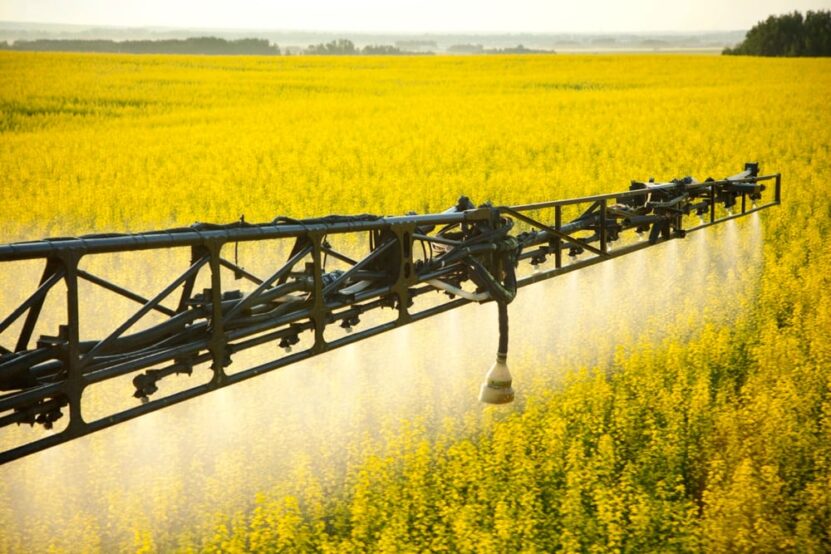
Choosing the Right Tool
The decision between protioconazole, metconazole and a combination of protioconazole and azoxystrobin comes down to a few practical questions:
- Is sclerotinia the primary concern, with a clear bloom timing window? Prothioconazole and metconazole are both purpose-built for that scenario
- Are you managing canola alongside pulses and want a product with flexibility across both? Qmetconazole is a versatile choice
- Is disease pressure elevated, or is resistance management a priority in your rotation? Gauntlet’s prothioconazole and azoxystrobin offer stronger coverage in those conditions
All three are part of a broader integrated approach to fungicide management, where product selection, timing and rotation work together to protect yield and preserve the effectiveness of the chemistry available for seasons to come.
Getting the Timing Right
Across all three products, the consistent message is the same: apply preventatively, not reactively. Fungal diseases in canola move fast once conditions are favourable, and waiting for symptoms to appear before spraying means the protection window has already closed. Scouting, forecasting, and having a clear spray plan before bloom begins are the foundation of effective disease management in canola.
The products are there. The key is knowing when to use them and having them ready before the crop needs them.